
Shopping for acne-safe makeup can sometimes feel like a minefield. If you’ve ever been excited to try a new product only to have it break you out, you know the disappointment. And when it comes to labels and ingredients, knowing what to trust isn’t always straightforward. One product promises not to clog pores, another claims to be non-comedogenic and a third markets itself as “acne-safe.” But what do those labels actually mean—and can makeup really cause breakouts?
While makeup isn’t always the sole cause of acne, the wrong formula can absolutely contribute to clogged pores, worsen existing breakouts and make healing more difficult. The good news? Once you know what to look for, finding makeup that works with your skin—not against it—becomes much easier.
Ahead, experts weigh in on shopping for acne-safe makeup, including ingredients to look for (and to avoid), if makeup can cause acne and more.
Featured Experts
- Dr. Deborah Longwill is a board-certified dermatologist at Miami Center for Dermatology in Miami.
- Nikki DeRoest is a celebrity makeup artist and founder of Ciele Cosmetics in Los Angeles.
- Dr. Shereen Teymour is a board-certified dermatologist in New York City.
What Is Acne-Safe Makeup?
The first thing to know is that “acne-safe” isn’t an official designation; rather, it’s “more of an umbrella term than a regulated definition,” says New York City dermatologist Dr. Shereen Teymour. “In general, it refers to products that are less likely to clog pores, trigger breakouts or aggravate acne-prone skin.”
When shopping for acne-safe makeup, consider looking for the term “non-comedogenic,” which means a product has been tested (to some degree) to not clog pores,” says Miami dermatologist Dr. Deborah Longwill. “It’s a more meaningful label, but even that isn’t FDA-regulated, so it’s not a guarantee.” Since neither label is regulated, think of them as a starting point rather than a promise.
Can Makeup Cause Acne?
Unfortunately, yes, makeup can cause acne, particularly in those who are already acne-prone. “Certain makeup products can contribute to clogged pores and worsen existing breakouts,” says Dr. Teymour. She also points to a condition known as acne cosmetica, which is triggered by cosmetic products. “These breakouts tend to appear as small, uniform bumps, often in areas where makeup is applied most heavily,” she says.
Dr. Longwill adds that the impact cuts both ways. “Certain ingredients genuinely trigger new breakouts by clogging pores or disrupting the skin barrier,” she says. “But if acne is already present, the wrong makeup will absolutely make it worse and slow healing.”
That said, neither dermatologist suggests patients should blame every breakout on their foundation. “Acne is multifactorial and influenced by genetics, hormones, inflammation, oil production and pore-clogging,” says Dr. Teymour. “Makeup is usually one piece of a much larger puzzle.”
What to Look for in Acne-Safe Makeup
When trying to figure out if you’re purchasing acne-safe makeup, the label is a good first stop. In addition to non-comedogenic, Dr. Teymour recommends looking for “oil-free, dermatologist tested and fragrance-free” formulas—though none of these terms are regulated, so treat them as a guide, not a guarantee.
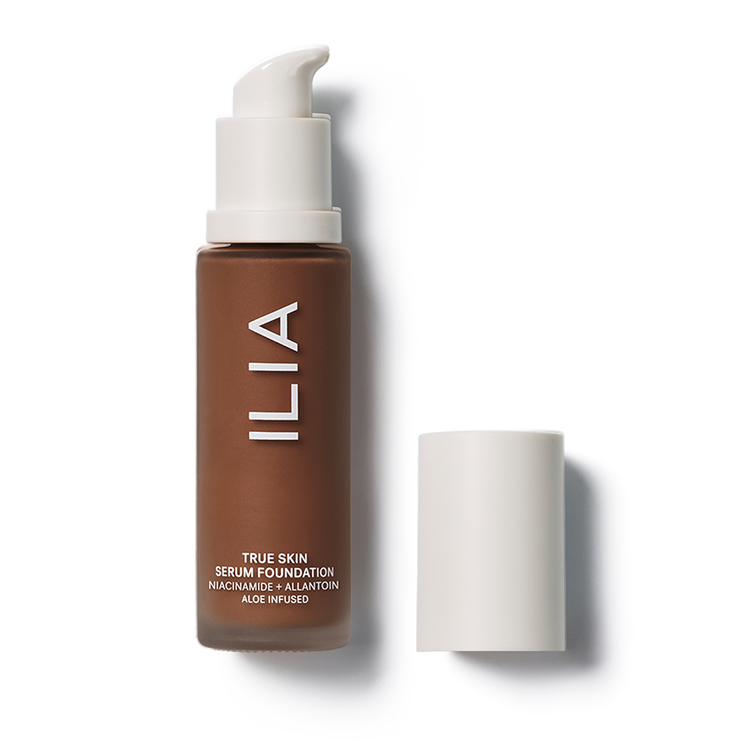
From there, check the ingredient list. “Ingredients such as niacinamide can be particularly helpful because they may help calm inflammation and regulate excess oil production,” says Dr. Teymour. Dr. Longwill adds that zinc oxide, salicylic acid and hyaluronic acid are also worth seeking out.
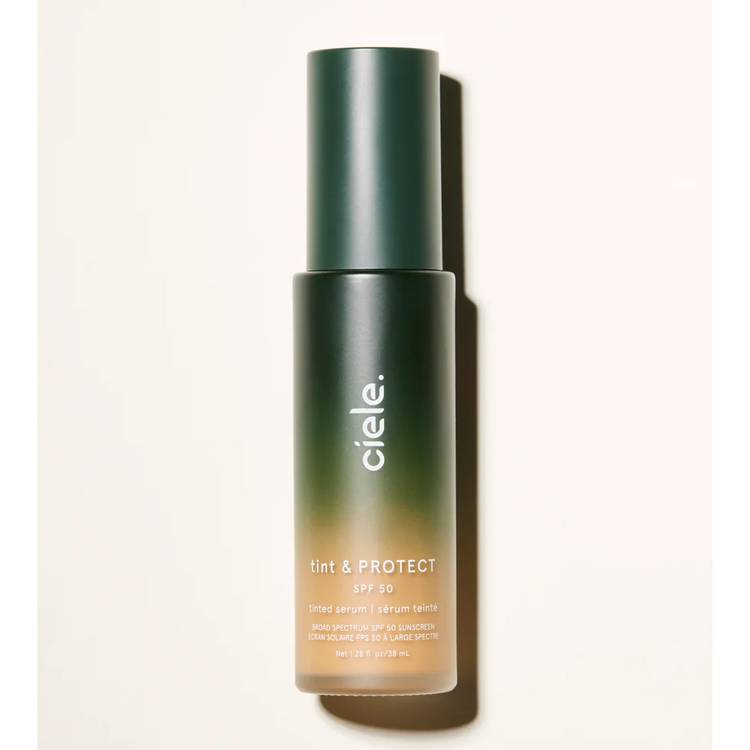
Texture can make a difference, too. “I tend to favor lightweight, buildable formulas that allow the skin to show through,” says Los Angeles celebrity makeup artist and founder of Ciele Cosmetics Nikki DeRoest. “Skin tints, serum-like foundations and breathable concealers tend to perform beautifully on acne-prone skin because they provide flexibility.”
Makeup Ingredients to Avoid for Acne-Prone Skin
When it comes to pore-clogging ingredients, there’s no universal rule. “An ingredient that causes breakouts for one person may be completely well tolerated by another,” says Dr. Teymour, who recommends focusing on the overall formula.
That said, Dr. Longwill does advise avoiding large amounts of coconut oil, shea butter, lanolin and heavy silicones in makeup.
DeRoest also tends to avoid products that feel overly heavy on the skin. “Super thick formulas can sometimes sit on top of active breakouts and make the complexion feel uncomfortable throughout the day,” she says.
Habits matter just as much as products. DeRoest warns against using dirty tools; even the most thoughtfully formulated products won’t help if application habits are working against you. “Sleeping in makeup, failing to remove it thoroughly or using dirty brushes and sponges can all contribute to breakouts,” adds Dr. Teymour.
What Makeup Can Cause Breakouts?
Not all makeup categories are as likely to cause breakouts as others. For example, an eyeshadow poses a pretty low risk compared to a foundation. “Foundation is probably the category I see associated with breakouts most often, simply because it’s typically applied over the largest surface area of the face and worn for long periods of time,” says Dr. Teymour.
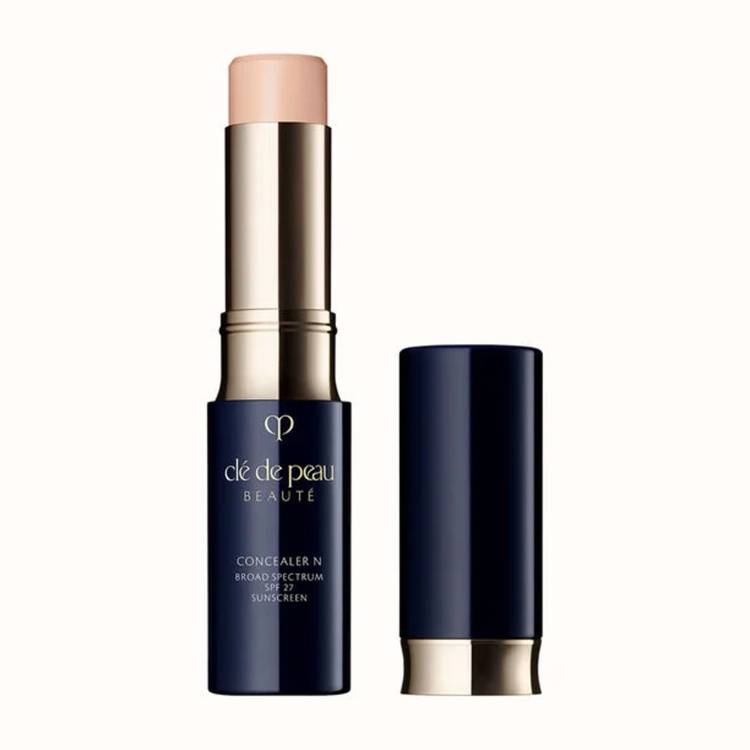
When it comes to concealer, it generally is less risky than all-over face makeup since it’s usually applied just to small areas, but overdoing it can still create problems. “Concealer applied heavily to active breakouts can trap bacteria,” says Dr. Longwill.
If you suspect a makeup product is breaking you out, pay attention to the timing. “If breakouts consistently appear one to four weeks after introducing a new makeup product, especially in areas where that product is applied, the product becomes more suspicious,” says Dr. Teymour. For a more controlled approach, Dr. Longwill suggests patch testing on the jaw or cheek for seven to 10 days, or trying an elimination method: “Remove the product entirely for two weeks and see if skin improves.”
Even if you’re using acne-safe makeup, be mindful of how much you’re applying. “A lot of people keep layering product on top of a breakout, which can draw even more attention to it,” says DeRoest. Instead, focus on thin, targeted layers. “The goal is to neutralize the redness while maintaining the skin’s texture rather than trying to erase the breakout completely.”
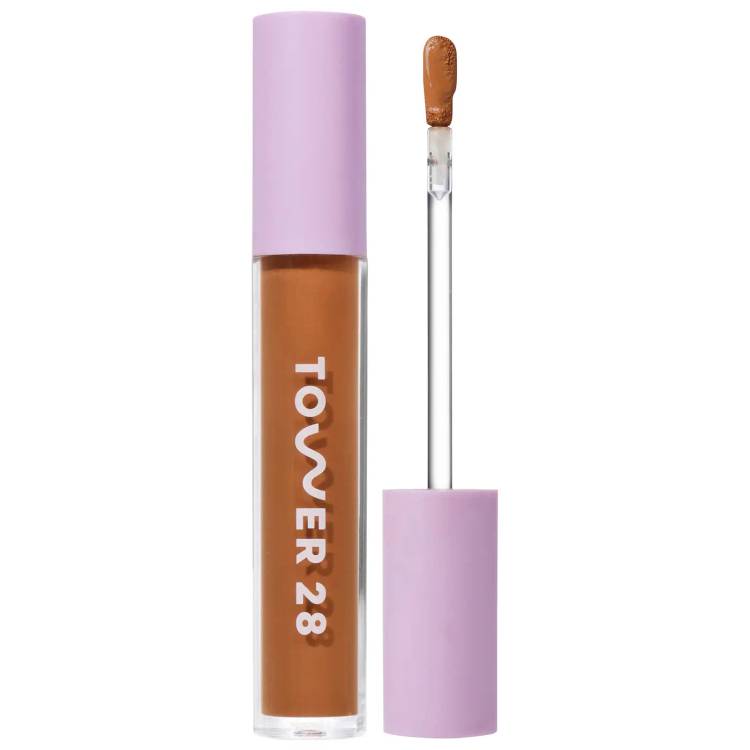
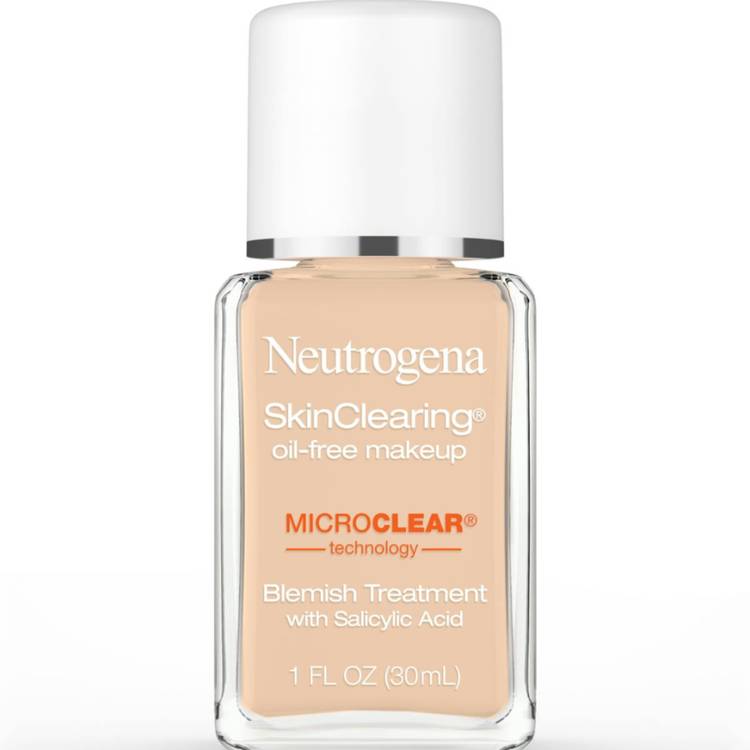
The Best Acne-Safe Makeup Products to Try
1 / 6
2 / 6
3 / 6
4 / 6
5 / 6
6 / 6
Beauty Products

Bath and Body Set, Spa Gifts for Wo...

Nutrafol Men’s Hair Growth Su...

Kosas Revealer Concealer – Me...

Revlon Face Roller, Oily Skin Contr...


Sea-Maid Plumping Lip Oil, Hydratin...

Julep Eyeshadow 101 Cream-to-Powder...

Hicober Microfiber Hair Towel, Hair...

