
When influencer Ayleen Park dropped the phrase “wet masking” during a live shopping video with her mom, Sonia Lee, it immediately stopped us in our tracks. Naturally, we had to find out more—with a little help from the pros.
“Wet masking is a simple but powerful K-beauty technique,” says Sarah Chung Park, founder of K-Beauty World, a curated retail platform dedicated to bringing the best of Korean beauty to shoppers in the States. The method flips the way you’ve always used face masks on its head, all in the name of seriously boosted hydration. Ahead, we’re breaking down exactly how it works.
What Is Wet Masking?
Park has previously told her followers that wet masking means saving your sheet mask for last, using it to seal everything in rather than starting your routine with it. Chung Park supports that definition: “You apply a hydrating essence, toner or essence-like serum to the skin first, leaving the skin surface damp, and then layer a sheet mask on top,” she explains. “After about 10 to 15 minutes (or the recommended time on the mask), gently pat in any remaining essence and finish with a cream,” she suggests.
The Benefits of Wet Masking
Wet masking is all about getting more out of the products you’re already using. “The idea is that the extra moisture on the skin’s surface enhances the mask’s ability to seal in hydrating ingredients, so skin gets an amplified dose of hydration and active delivery,” Chung Park explains. “When used as the second or third step, the mask acts like a hydration seal, helping lock in everything you’ve already applied underneath.” She adds that the technique is especially helpful in colder months and dry environments.
Wet masking also pairs well with overnight masks. “Because skin enters repair mode while you sleep, using a collagen-rich overnight mask as the final step supports the skin’s natural regeneration cycle, reinforces the moisture barrier and helps prevent the dehydration that often comes with winter weather,” she says. “Instead of just delivering actives, the mask also creates an occlusive layer that helps skin wake up looking plumper, calmer and more resilient.”
When to Wet Mask
Chung Park recommends thinking of wet masking as an as-needed upgrade rather than a strict rule. “The traditional K-beauty routine is still ideal for everyday use, but during winter, travel or periods of dryness or barrier stress, using a sheet mask or overnight collagen mask as the final step can help lock in hydration, minimize moisture loss while you sleep and support the skin’s overnight repair process,” she says.
“My advice is to listen to your skin. If it feels tight, dull or dehydrated, finishing your routine with a collagen-rich overnight mask can help restore bounce and comfort by morning. The K-beauty philosophy has always been about flexibility and layering, and this is just another way to personalize your routine for what your skin needs in the moment.”
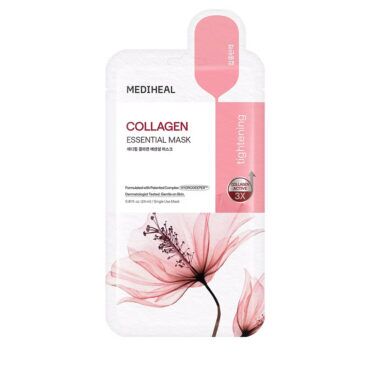
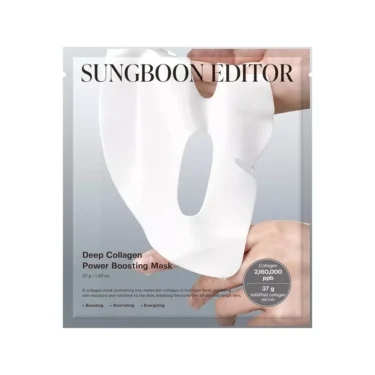
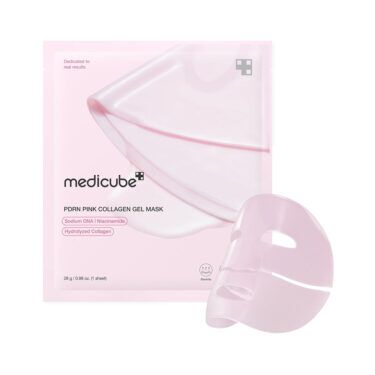
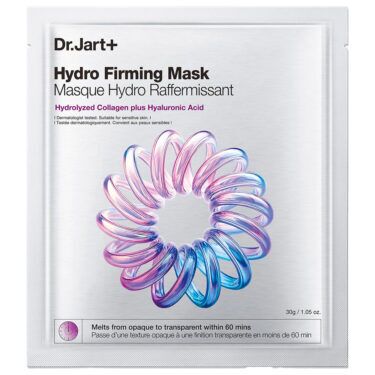
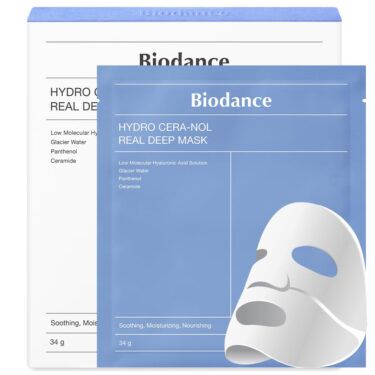
The Best Masks for Wet Masking
/
/
/
/
/
Beauty Products

Bath and Body Set, Spa Gifts for Wo...

Nutrafol Men’s Hair Growth Su...

Kosas Revealer Concealer – Me...

Revlon Face Roller, Oily Skin Contr...


Sea-Maid Plumping Lip Oil, Hydratin...

Julep Eyeshadow 101 Cream-to-Powder...

Hicober Microfiber Hair Towel, Hair...

