We’re living in a digital-first era. From grocery deliveries to same-day Sephora hauls, convenience now shapes nearly every purchase—including, increasingly, GLP-1 prescriptions. Telehealth visits have surged since the coronavirus pandemic, according to a 2024 report from the American Medical Association, and more virtual-care platforms are launching to meet that demand.
For those unfamiliar, direct-to-consumer (DTC) telehealth connects patients with licensed providers virtually, offering consultations and prescriptions without the need for traditional in-person visits. If you’re curious how the process works—and what to look for in a reputable provider—Boca Raton, FL endocrinologist and physician lead at Allara Health Sonia Gibson, MD, shares what to know. Below, find her insights, then scroll for our curated list of telehealth platforms prescribing GLP-1 medications to patients who qualify and are deemed appropriate candidates.
What Responsible Prescribing Should Look Like
“A reputable platform must make sure licensed providers conduct a comprehensive medical history, outline patient goals and fully explain the risks, benefits, contraindications and potential side effects of treatment,” says Dr. Gibson. “Prescribing should adhere to evidence-based guidelines and include clear follow-up plans. Most importantly, ongoing monitoring for treatment response and side effects is required. Prescribing these medications without proper nutritional and lifestyle guidance and subsequently leaving patients without support, is poor patient care. “
Structure Is Essential
“Telehealth prescribing, when implemented correctly, offers a level of care comparable to in-person visits for many patients,” Dr. Gibson continues. “Important safeguards include identifying which patients qualify for this type of care, professional medical oversight by qualified providers and a structured follow-up plan to ensure continuity of care, avoiding one-time, isolated prescriptions that leaves patients to their own devices.”
The Case for Virtual Care
“Telehealth is a great way to improve access to evidence-based obesity treatment,” says Dr. Gibson. “By reducing barriers like travel or scheduling, it makes frequent patient check-ins much easier. When combined with adequate medical screening and monitoring, telehealth can support care that is safe, consistent and focused on the patient.”
The Top Telehealth Websites Prescribing GLP-1 Medications in 2026
1 / 7
Eden keeps the process simple. You fill out a digital intake form, meet with a licensed medical provider virtually and, if you’re deemed eligible, your GLP-1 prescription can be shipped directly to your door. The platform also includes ongoing messaging with your dedicated care team for questions and follow-ups.
Unlike many telehealth platforms, Eden doesn’t require a monthly membership to be in the program. However, it is a cash-pay service, which means you’ll pay out of pocket for visits and any prescribed medication.
Insurance Details: Eden does not accept or bill insurance. Consultations and medications are paid out of pocket, but HSA and FSA funds can typically be applied to qualifying expenses.
 Eden
Eden
2 / 7
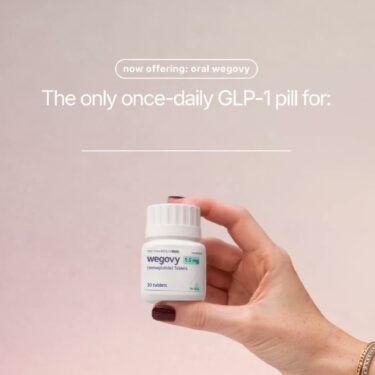
Allara Health was made specifically for women, with a focus on hormonal and metabolic conditions such as PCOS, perimenopause, thyroid disorders and insulin resistance. For many women, that focus can be a game-changer: rather than treating weight as something separate from the rest of your health, Allara looks at how hormones, chronic conditions and metabolism all intersect—especially when those factors make progress feel harder than it “should” be.
If Allara sounds like it might be a fit, the platform offers a quick quiz to help you get a sense of whether it’s right for you.
Insurance Details: Allara Health works with many major insurance plans in eligible states, which may help cover appointment costs depending on your individual coverage. Membership or program fees, as well as medication costs, may still apply.
 Allara Health
3 / 7
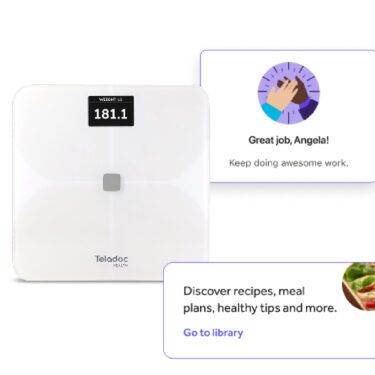
Teladoc Health is one of the original names in telehealth, offering virtual doctor visits and weight-management programs through certain employer-sponsored weight-management programs. For eligible members, the weight-management program may include a smart scale shipped to your door at no additional cost, along with digital tools to track food and activity and access to health coaches for nutrition and meal-planning support.
Insurance Details: Teladoc works with most major insurance plans and is frequently included in employer-sponsored benefits. Coverage, copays and eligibility vary by plan. Self-pay options are also available.
 Teladoc Health
4 / 7
Serena Williams is the face of Ro’s GLP-1 weight-loss program, having publicly shared her experience using Zepbound (tirzepatide). The company positions itself as a cost-conscious option for accessing prescription weight-loss medications through a fully virtual model.
You do have to subscribe to Ro’s monthly membership program to join, but the fixed fee includes provider oversight, prescription management and refills, insurance navigation support, on-demand messaging and structured health coaching. Medication costs are billed separately.
Insurance Details: Ro accepts many major insurance plans and helps patients navigate prior authorizations and coverage requirements for GLP-1 medications. If your medication is covered, you’ll pay your plan’s copay or coinsurance. If not, Ro also offers cash-pay options at pharmacy-dependent pricing.
 Ro
Ro
5 / 7
Hims and Hers are sister telehealth platforms operating under the same parent company, but they cater to different audiences (Hims focuses on men’s health, while Hers centers on women’s health). The experience is especially appealing to anyone who prefers managing their care digitally. The app goes beyond prescriptions, offering nutrition guidance, recipes from dietitians, habit and sleep trackers, grocery lists and other built-in tools designed to support lifestyle changes alongside medication.
The platform operates on a subscription model, with a fixed monthly fee that includes ongoing provider oversight and medication management.
Insurance Details: Hims & Hers operate as cash-pay services and do not bill insurance directly. All services and prescriptions are paid out of pocket, though HSA and FSA funds may be used for eligible expenses.
 Hims and Hers
6 / 7
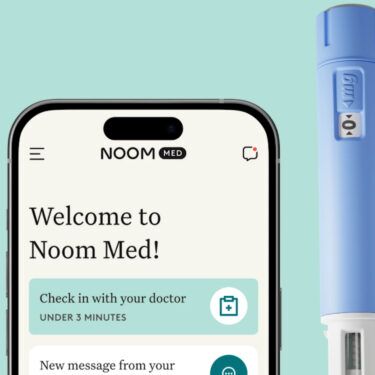
Noom carved out its place in the weight-loss world by focusing on behavior change long before medications entered the picture. The platform built its reputation on psychology-based daily lessons that unpack your habits, triggers and patterns around food. In 2023, it expanded into prescription weight-loss medications, adding GLP-1s to the mix while keeping its education-first foundation intact.
The program operates on a monthly subscription model. Standard Noom plans focus on behavior-based coaching, while Noom Med includes access to medical providers for GLP-1 prescriptions when appropriate. Subscriptions include daily lessons, human coaching supported by AI tools and customized plans tailored to your goals, along with meal logging, water tracking and on-demand Noom Move workouts.
Insurance Details: Noom Med charges a monthly program fee and does not directly bill insurance for membership costs. Medication coverage depends on your individual insurance plan, and HSA/FSA funds may be used for eligible expenses.
 Noom
Noom
7 / 7
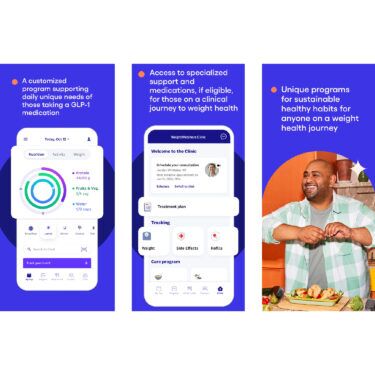
WeightWatchers has been a household name in weight loss since 1963, but its expansion into the GLP-1 space is more recent. After a rebrand, the company introduced WeightWatchers Clinic, combining its signature Points program with access to GLP-1 medications when appropriate. The idea is to pair the structure and accountability the brand is known for with virtual medical oversight, so medication, nutrition guidance and coaching live in one ecosystem.
The program operates on a monthly membership model, which includes clinician oversight, prescription management and support with labs and prior authorizations. Medication costs are billed separately.
Insurance Details: WeightWatchers Clinic charges a monthly membership fee that is typically not covered by insurance. However, the platform works with many major insurance plans to determine whether your prescribed GLP-1 medication is covered. If approved, you’ll pay your plan’s copay or coinsurance; if not, medication is paid out of pocket.
 WeightWatchers


