
Microneedling has continued to rank at the top of skin-rejuvenating treatment lists for quite a while now. Not only can it improve the look and feel of the skin, but it can also work wonders on reducing acne scars, lines and wrinkles. And while at-home microneedling is a great way to gently rev up more collagen in the skin, in-office microneedling is where the real magic happens.
The In-Office Microneedling Difference
As to be expected, a microneedling treatment administered by your physician is a bit more invasive than a sink-side experience with a dermal roller. As such, there are a few things to take note of, especially when it comes to what to expect once the skin-transforming treatment is complete.
What to Expect Post-Microneedling
Your skin will be red.
Davie, FL dermatologist Marianna Blyumin-Karasik, MD says it’s totally normal for your skin to be red after you’ve had a microneedling procedure, but the majority of the redness should subside within 24 hours. By the next day, skin will look pink, but will normalize in a matter of days. However, if a more aggressive treatment was done, the redness may linger for a bit longer.
“I uses the Infini radio-frequency microneedling device in my office to treat acne scars, fine lines and wrinkles around the eyes, and to lift and firm the skin,” says Seattle dermatologist Jennifer Reichel, MD. “Directly after the treatment, skin looks bright red from the heat, with an almost sunburn-like feeling, but it’s not all that bad.” Keeping skin hydrated can help take down the redness, too.
Your skin may be swollen.
“The skin may be slightly swollen the next day due to the mechanical injury of microneedling,” says Chicago dermatologist Jordan C. Carqueville, MD. Short Hills, NJ facial plastic surgeon Alexander Ovchinsky, MD adds that while normal, you might notice some swelling and mild bruising around the under eyes.
“Depending on how aggressive—or how deep—the treatment was, mild swelling for one to three days following microneedling is normal,” says New York dermatologist Sapna Palep, MD, who adds that using a cold compress will help take down the inflammation.
Santa Monica, CA dermatologist Ava Shamban, MD says that the swelling can range anywhere from mild to severe, although it is more frequently mild. “But it really depends on the type of microneedling done. Taking an antihistamine beforehand helps, too.”
Your skin might feel tight and dry.
Dr. Carqueville says skin will likely feel dehydrated after microneedling, and therefore will require intense moisture in order to heal. However, not just any moisturizer will do. “After the procedure, I recommend applying a hyaluronic acid serum or emollients, such as petrolatum or lanolin ointment, for two to three days. After a few days, it is OK to resume regular moisturizers as tolerated.” (More on the proper post-microneedling skin-care routine later.)
Bruising and bleeding are a possibility.
Depending on the length of the needle used and the number of times it is pressed across the treatment area, New York plastic surgeon Elie Levine, MD says bruising on the face, along with some minor bleeding, can occur. “Also, your skin may feel warm, tight, and itchy for a short while, but this should subside in 12-48 hours,” she says.
According to Dr. Blyumin-Karasik, it’s normal for there to be some pinpoint bleeding on the skin from having the needles inserted into the skin. “Because some microneedling treatments are more invasive, like Infini, we use topical numbing, local anesthetic with mesoneedles, and oral or IV sedation,” adds Dr. Reichel.
You might notice some slight peeling or shedding.
Dr. Palep says skin can exfoliate for up to a week post-treatment, which may result in some very mild peeling. But don’t worry: “This is a good sign, because it shows cell turnover and new skin being generated,” she adds.
Dr. Blyumin-Karasik says this exfoliation will likely begin the day after your treatment and make skin look a little dull. “The skin becomes pink and sandy-dry and starts gradually exfoliating for the next few days,” she explains.
You might have an allergic reaction.
If you’re coupling in-office microneedling with radio frequency (RF Microneedling) New York dermatologist Rita Linkner, MD says she’s seen some instances of an allergic reaction and infection. “This is likely due to the topical anesthetic that was used and then microneedled into the skin. Gridding, like a waffling of the skin, can persist for 36 hours, especially if you are someone who is very sensitive to trauma in the skin.” (If your skin blows up after a bug bite, you’re in this camp!)
There may be some minimally visible marks.
Because microneedling makes hundreds of tiny safe yet controlled microinjuries on the surface of the skin, it’s not uncommon to see some very small marks on the skin following the procedure. However, Dr. Palep says there’s no need to worry: whatever you see on your skin is short-lived at most. “These marks may be visible for a few days, but clear very quickly when the microneedling is done with PRP.”
You may break out.
If you’re prone to breaking out, you’ll definitely want to let your doctor know beforehand because micrnoneedling can cause breakouts. This is especially the case if there are active lesions on the surface as the treatment may make them worse. While it can work wonders at improving acne scars, microneedling can actually spread bacteria in the skin, making breakouts worse.
Your skin will be sensitive to the sun.
Because the top layer of skin, or the stratum corneum, has been disrupted, Dr. Carqueville notes the skin will be sensitive to the sun. “I recommend avoiding direct sun exposure for a month, as the stratus corneum takes 28 days to replenish itself from the mechanical injury of microneedling.” If that’s not feasible, try to completely avoid the sun for the first few days of healing, “and after two or three days, it is OK to resume use of sunscreen.” However, she notes that hats and sunscreen should be used consistently for a month, “and going forward to protect your investment.”
Your skin will begin to glow.
About five days after your microneedling treatment, Dr. Blyumin-Karasik says you should expect noticeably smoother, glowier and clearer skin that’s ready to be displayed. This is due to the natural collagen production now on display. However, it’s also a critical time to care for your freshly wounded skin. Sunscreen and a mild moisturizer are absolute musts for proper recovery.
Healing time—and results—will differ.
There is a variety of factors that may affect healing time, but Dr. Blyumin-Karasik says a main one is whether your doctor also used platelet-rich plasma in your microneedling treatment, aka a “Vampire Facial.” If so, Dr. Blyumin-Karasik says your healing time will be faster, involve less redness and less time shedding. Another benefit to PRP with microneedling: “It also boosts texture-improving results,” she adds.
A Guide to Skin Care After Microneedling
Skip the Actives
Dr. Ovchinsky says to avoid any actives—think retinol, retin‑A, vitamin C, AHAs, BHAs—immediately after a microneedling session. Dr. Levine agrees, adding that abrasive cleansers, scrubs, glycolic or hydroxy acid cleansers, and any fragranced products should also be put on pause.
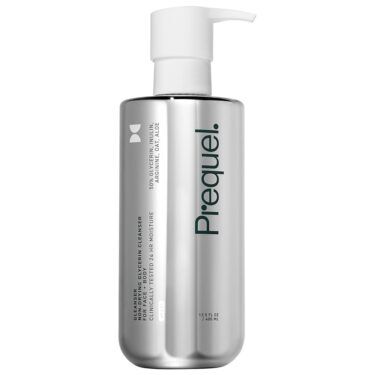
Miami dermatologist Anna Chacon, MD notes this is one of the biggest post‑microneedling mistakes: jumping back into strong acids, retinoids, exfoliants or irritating formulas before the skin barrier is ready. She also warns against over‑cleansing, which can worsen irritation and disrupt healing.
Prioritize Hydration and Barrier Repair
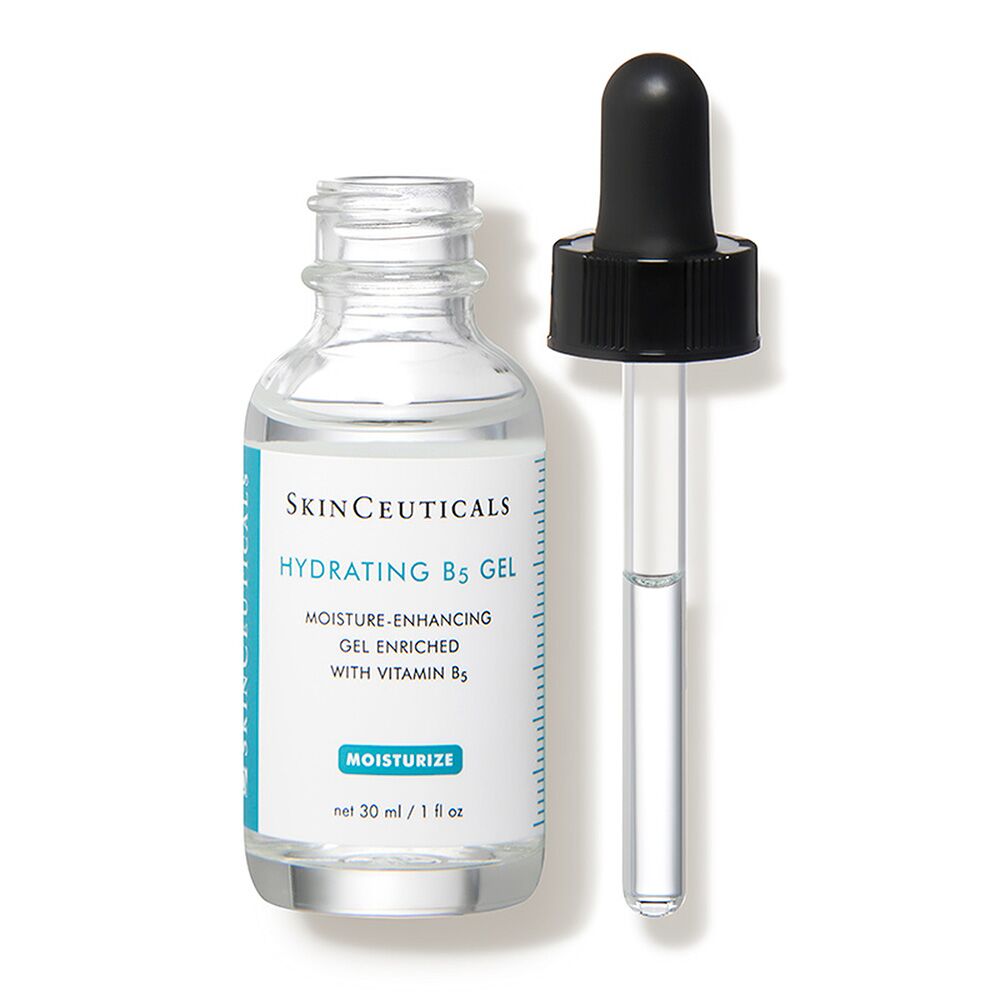
In the first 24 hours, Dr. Ovchinsky recommends sticking with gentle, comforting formulas and choosing a moisturizer designed to speed up healing. Dr. Levine emphasizes that “good moisturization is key,” and says a non‑harsh hyaluronic acid serum can help boost post‑treatment collagen stimulation.
Dr. Chacon also stresses that hydration and barrier support are critical in the early recovery window. She highlights hyaluronic acid, peptides and barrier-repair creams as ideal for this phase.
Protect Your Skin (Sunscreen Is Non‑Negotiable)
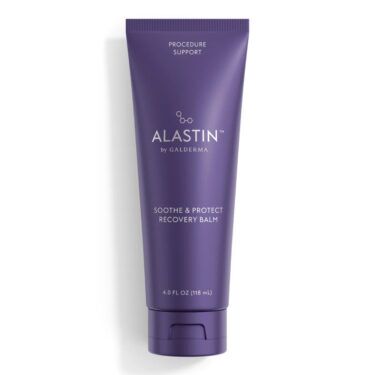
Immediately after treatment, Dr. Ovchinsky advises applying a protective balm like Aquaphor to prevent moisture loss and shield the skin. Once the skin can tolerate it, sunscreen becomes essential.
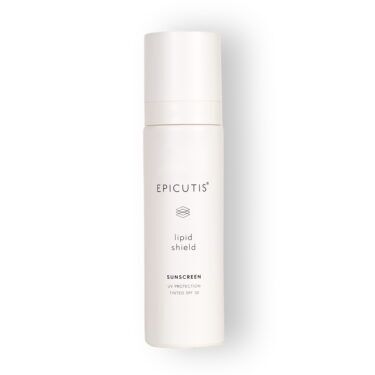
Dr. Chacon notes that unprotected sun exposure is one of the most damaging post-treatment mistakes, since UV can worsen irritation and trigger hyperpigmentation. Daily sunscreen is mandatory until the skin fully recovers—and ideally, always.
When to Reintroduce Actives
Dr. Chacon offers a clear timeline for restarting your usual routine:
- Hyaluronic acid: Safe immediately; helps hydrate and soothe.
- Vitamin C: Generally fine after 24–48 hours if the skin is calm, though some may need 3–5 days.
- Retinol and acids (AHA/BHA): Wait 5–7 days, depending on sensitivity and depth of needling. Start slowly.
She also recommends avoiding strong acids, retinoids, benzoyl peroxide and alcohol-based toners for about a week, or until the barrier feels fully intact.
Ingredients That Boost Results (and What to Avoid)
Once the initial inflammation subsides, Dr. Chacon says growth factors and peptides can be beneficial for enhancing collagen production and supporting healing. These, along with hydrating serums and barrier-repair moisturizers, help optimize results rather than simply maintain safety.
On the flip side, continue avoiding fragrances, irritants and any harsh exfoliants until the skin is settled. When in doubt, choose formulas labeled gentle, non-irritating and fragrance‑free.
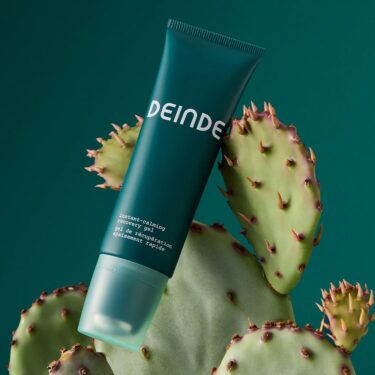
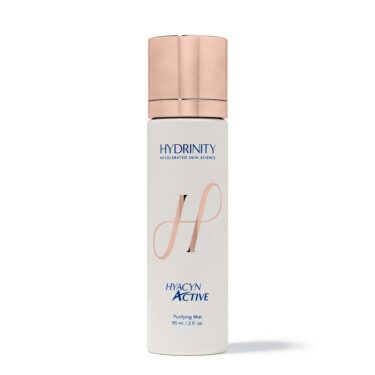
Your Post-Procedure Toolkit
/
/
/
/
/
/
/
Beauty Products

Bath and Body Set, Spa Gifts for Wo...

Nutrafol Men’s Hair Growth Su...

Kosas Revealer Concealer – Me...

Revlon Face Roller, Oily Skin Contr...


Sea-Maid Plumping Lip Oil, Hydratin...

Julep Eyeshadow 101 Cream-to-Powder...

Hicober Microfiber Hair Towel, Hair...

