
Deep conditioners can get lost among the endless hair-care options lining store shelves, but they deserve a spot in your routine. Sitting somewhere between daily conditioners and hair masks, they deliver concentrated nourishment without the extended wait time. They can also target common concerns across all hair types, including dryness, brittle ends and dullness.
Still, deep conditioners are often misunderstood. If you’ve ever stood in the shampoo aisle debating between a regular conditioner, a deep conditioner or a hair mask, you’re not alone. To clear up the confusion, we asked two hairstylists to break it down. Ahead, they explain what sets deep conditioners apart, when to use them and what to look for when choosing one.
Featured Experts
What Is a Deep Conditioner?
If TikTok’s box-dye conditioner debate proved anything, it’s that not all conditioners are created equal. The formulas you reach for on wash day serve a different purpose than deep conditioners. “Regular conditioners are meant to add slip to your hair as you’re washing,” says celebrity hairstylist TerraRose Puncerelli. While they can offer light hydration, she says their primary role is to smooth the cuticle, lock in moisture and help reduce frizz.
Deep conditioners, by contrast, are formulated to penetrate the hair shaft and deliver more concentrated nourishment. Similar to a serum for skin, they’re designed to target concerns like dryness and brittleness. As a result, they tend to be thicker in texture and more intensive in formulation.
When to Use a Deep Conditioner
If you consider each product’s function, deciding which to use becomes simpler. “Regular conditioners are lightweight and designed for maintenance, while a deep conditioner is rich and made for corrective care,” says Puncerelli. One concern, however, is almost always a clear signal: dryness. “If your hair feels rough, brittle, overly porous, frizzy or lacks elasticity, that’s a sign you need something more intensive than your everyday formula,” she says.
Hairstylist and It’s a 10 Haircare founder Carolyn Aronson agrees, adding that winter is an ideal time to incorporate a deep conditioner. “Since the air is drier and the temperature is cooler, your hair likely needs additional hydration and the moisture-retaining benefits deep conditioners provide,” she says. Those benefits also extend to color-treated hair or strands exposed to frequent heat styling. To keep it simple, Puncerelli recommends assessing your hair weekly. “If your regular conditioner isn’t giving you softness, shine or manageability anymore, it’s time to upgrade to a deeper treatment,” she says.
What to Look for in a Deep Conditioner
Choosing the right deep conditioner comes down to your hair’s specific needs. “Conditioners rich in nourishing oils and butters, such as avocado oil and shea butter, are ideal for restoring moisture and improving softness,” says Aronson. Hydration is key—especially this time of year—but you don’t want a formula that weighs hair down or flattens your blowout. “Formulas containing humectants, like glycerin, hydrate without the heaviness and can help keep frizziness at bay,” says Puncerelli.
If strengthening or damage repair is your goal, she recommends reaching for protein-focused formulas to help reinforce the hair shaft.
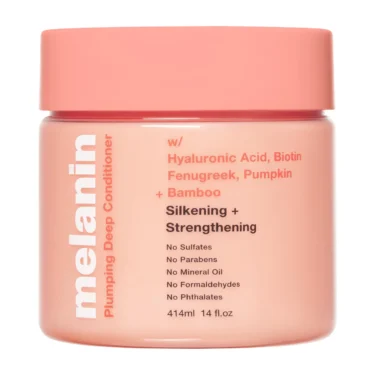
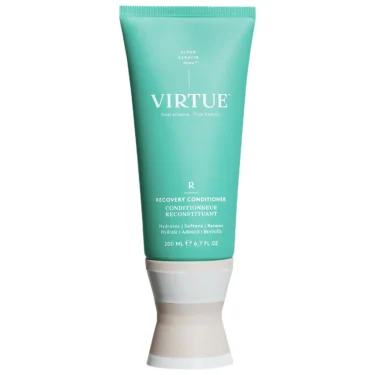
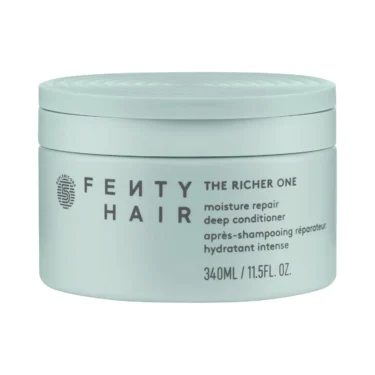
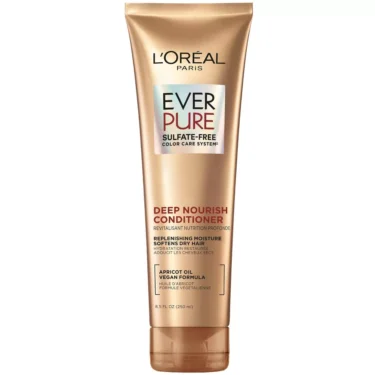
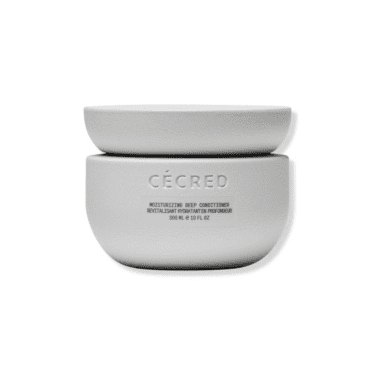
Deep Conditioners to Try
/
/
/
/
/
/
Beauty Products

Bath and Body Set, Spa Gifts for Wo...

Nutrafol Men’s Hair Growth Su...

Kosas Revealer Concealer – Me...

Revlon Face Roller, Oily Skin Contr...


Sea-Maid Plumping Lip Oil, Hydratin...

Julep Eyeshadow 101 Cream-to-Powder...

Hicober Microfiber Hair Towel, Hair...

