
Some makeup products go the extra mile in a routine. Concealer, the multitasking workhorse, is the first that comes to mind. The second? Bronzer. Whether dusted across the temples or blended into the crease, it’s a staple that sculpts, warms and defines. The key is placement: when applied right, bronzer adds dimension and balance to the face. If you’ve ever been unsure where to sweep it on, three makeup artists break it down—plus share their favorites.
Featured Experts
Why Does Bronzer Placement Matter?
Bronzer isn’t just about adding warmth to the skin. According to celebrity makeup artist Vittorio Masecchia, it also creates structure. “It restores natural dimensions that foundation can flatten and brings life back into the face without visible effort,” he says. The result largely depends on placement. When applied correctly, bronzer enhances the lighter areas of the face and defines your features. But in the wrong spots, it can do the opposite. “Instead of radiant and defined, it can make the face look muddy or heavy,” says Tamara Boyd, professional makeup artist and Black Radiance brand ambassador.
In short, placement determines whether your face looks lifted or weighed down. Like blush, bronzer is most flattering when tailored to your face shape. Paying attention to your natural dimensions—the forehead, jawline and cheeks—can help guide where to apply it.
How to Apply Bronzer for Your Face Shape
Before you start, think about the areas of your face that naturally catch the sun. “For example, where you tan naturally when you’re wearing sunglasses, such as the high points of the face and the jaw,” says celebrity makeup artist Rachel Singer Clark. These spots strike the perfect balance between warmth and structure—just like bronzer should.
If your face is on the rounder side, sweep bronzer upward toward the temples. “By sweeping it slightly higher on the cheekbones, you can visually elongate your features,” says Masecchia. For heart-shaped faces, aim for symmetry. “Applying to the sides of the forehead and under the cheekbones will help balance any narrowness in the lower parts of the face,” says Boyd.
Square faces, on the other hand, benefit most from sweeping the bronzer across the cheeks and lightly diffusing it along the jaw. This adds structure and blurs strong angles.
Applying bronzer to oval face shapes can be tricky. “The key is sticking to the perimeter,” says Masecchia. Boyd explains that when applied properly, it can have the most significant impact. “When placed around the temples and the outer edges of the cheek and jawline, it adds structure and highlights the softer areas.”
Cream vs. Powder Bronzers
Once you know where to apply bronzer, the next step is choosing the right formula for your skin type and desired finish. Each option has its benefits, so the decision ultimately comes down to the look you want to achieve.
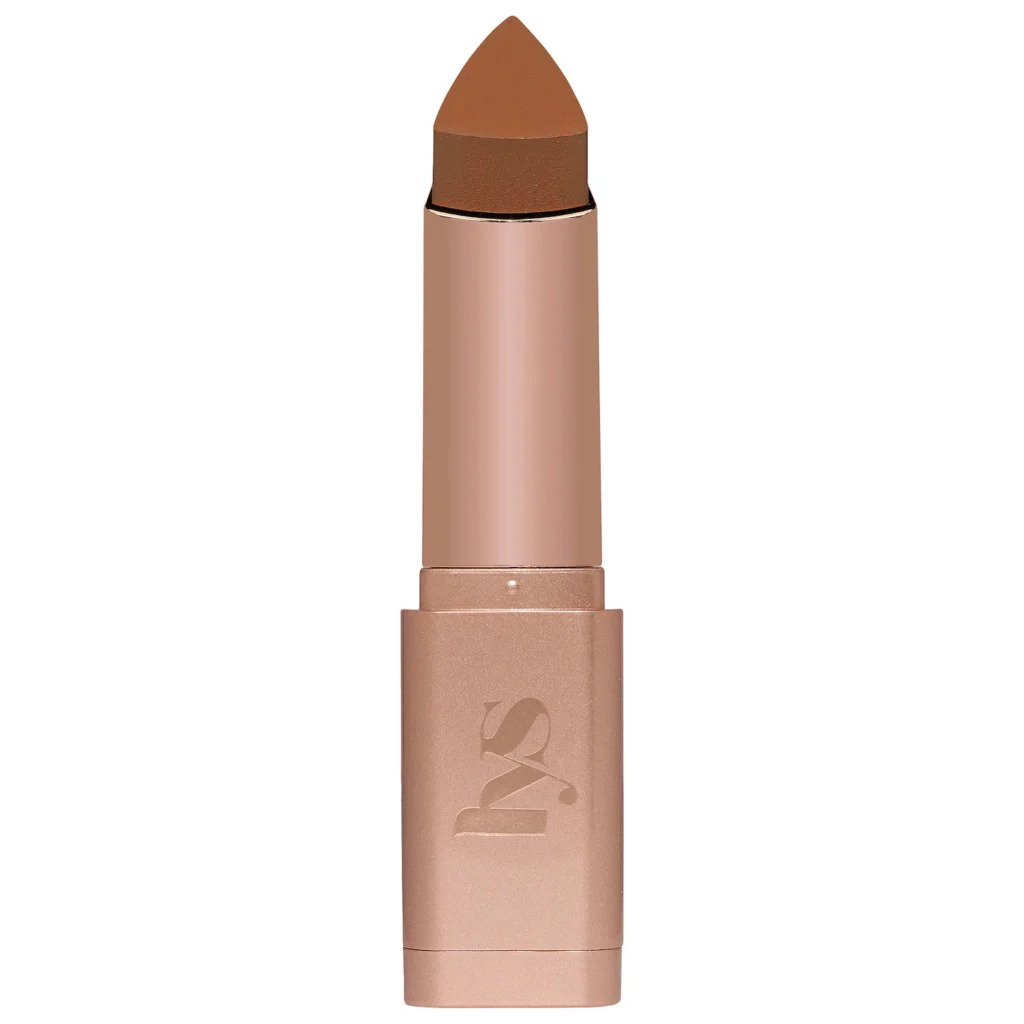
“Cream bronzers have the ability to add definition while also appearing natural on the skin,” says Masecchia. Applying them may take a bit of practice, but he notes they’re among the best for creating noticeable definition. Stick formats deliver a similar effect and can be built up for a more chiseled look.
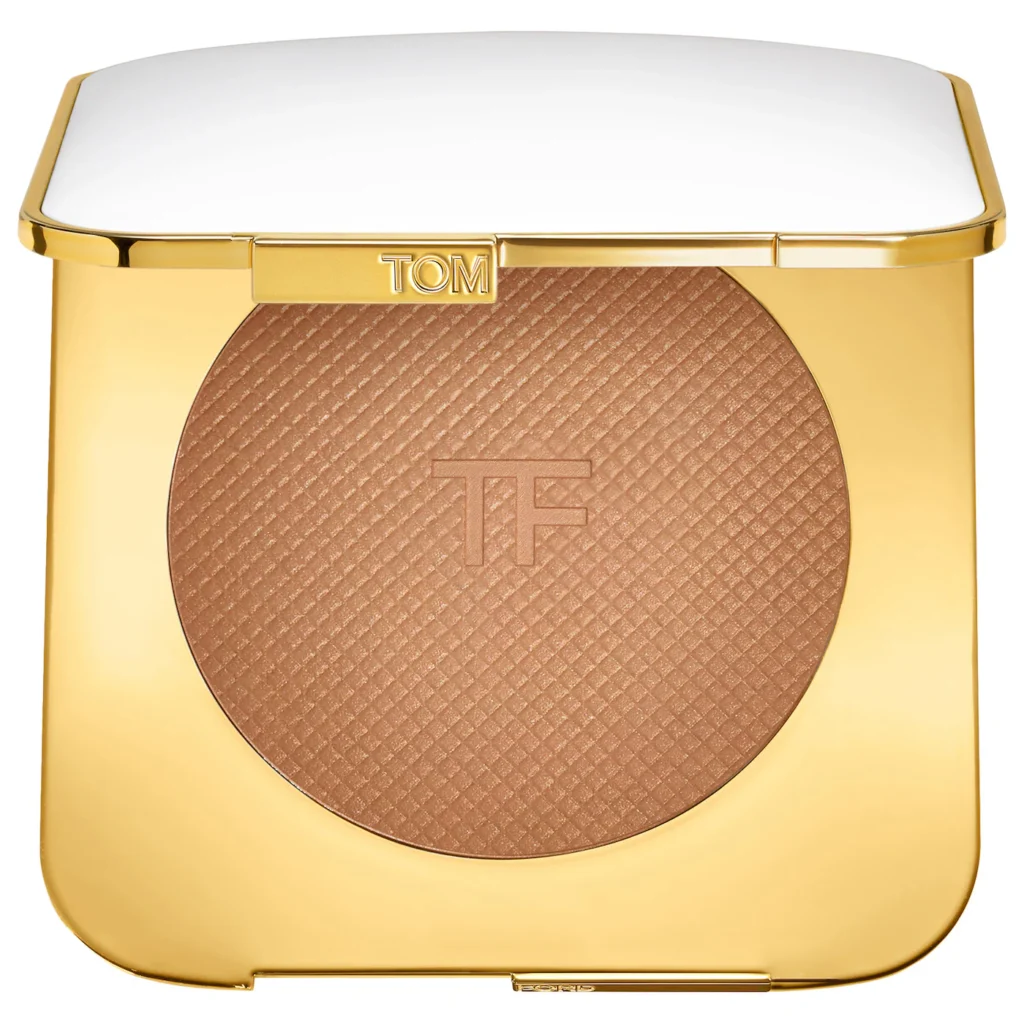
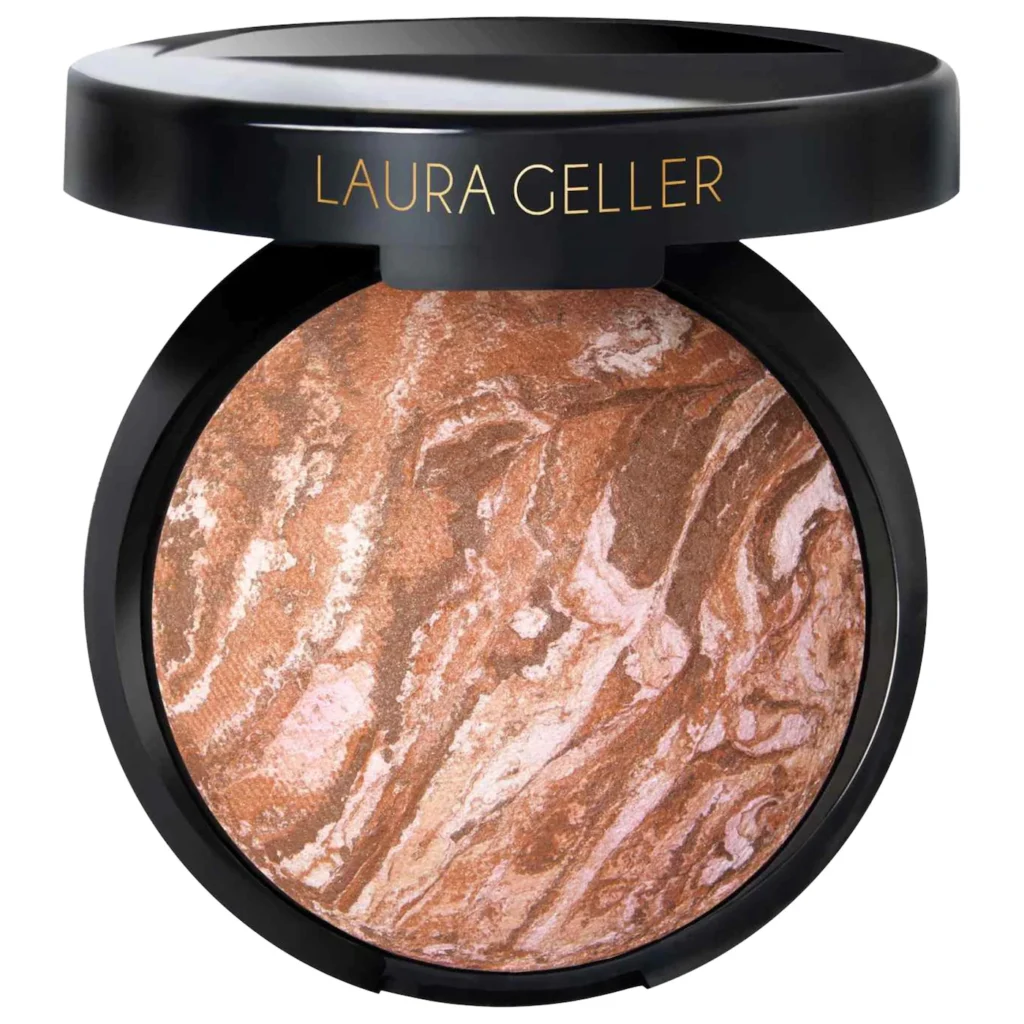
Powder bronzers often get a bad reputation for looking muddy, but they offer buildable control that creams don’t. They also come in a variety of finishes, allowing you to tailor your look. “Baked formulas, such as Black Radiance’s Artisan Color Baked Bronzer, can add warmth and radiance for a naturally bronzed finish,” says Boyd. Matte formulas, on the other hand, are best for subtle definition. “A soft-matte bronzer is best for creating balanced warmth and a refined finish,” says Masecchia.
Bronzers to Try
Beauty Products

Bath and Body Set, Spa Gifts for Wo...

Nutrafol Men’s Hair Growth Su...

Kosas Revealer Concealer – Me...

Revlon Face Roller, Oily Skin Contr...


Sea-Maid Plumping Lip Oil, Hydratin...

Julep Eyeshadow 101 Cream-to-Powder...

Hicober Microfiber Hair Towel, Hair...

